Removing Black Algae from Pine Belt Roofs: A Homeowner's Guide
Living in Hattiesburg means enjoying beautiful historic neighborhoods, lush green landscapes, and a welcoming community. However, our warm, humid climate also brings a few unique challenges for homeowners. If you have spent any time looking up at the houses in your neighborhood recently, you might have noticed dark, unsightly streaks running down the slopes of many roofs.
These black streaks are often mistaken for dirt, soot, or even mold. In reality, they are caused by a hardy type of blue-green algae called Gloeocapsa magma. While it might seem like a purely cosmetic issue at first glance, allowing this algae to thrive on your home can lead to premature wear and tear, decreased energy efficiency, and ultimately, the need for early repairs.
For homeowners in our region, understanding how this organism operates is the first step in protecting your property. In this comprehensive guide, we will explore what causes these dark streaks, the most effective methods for removing dark roof stains safely, and how you can prevent them from returning to protect your investment for years to come.
Why Algae Thrives in Our Climate
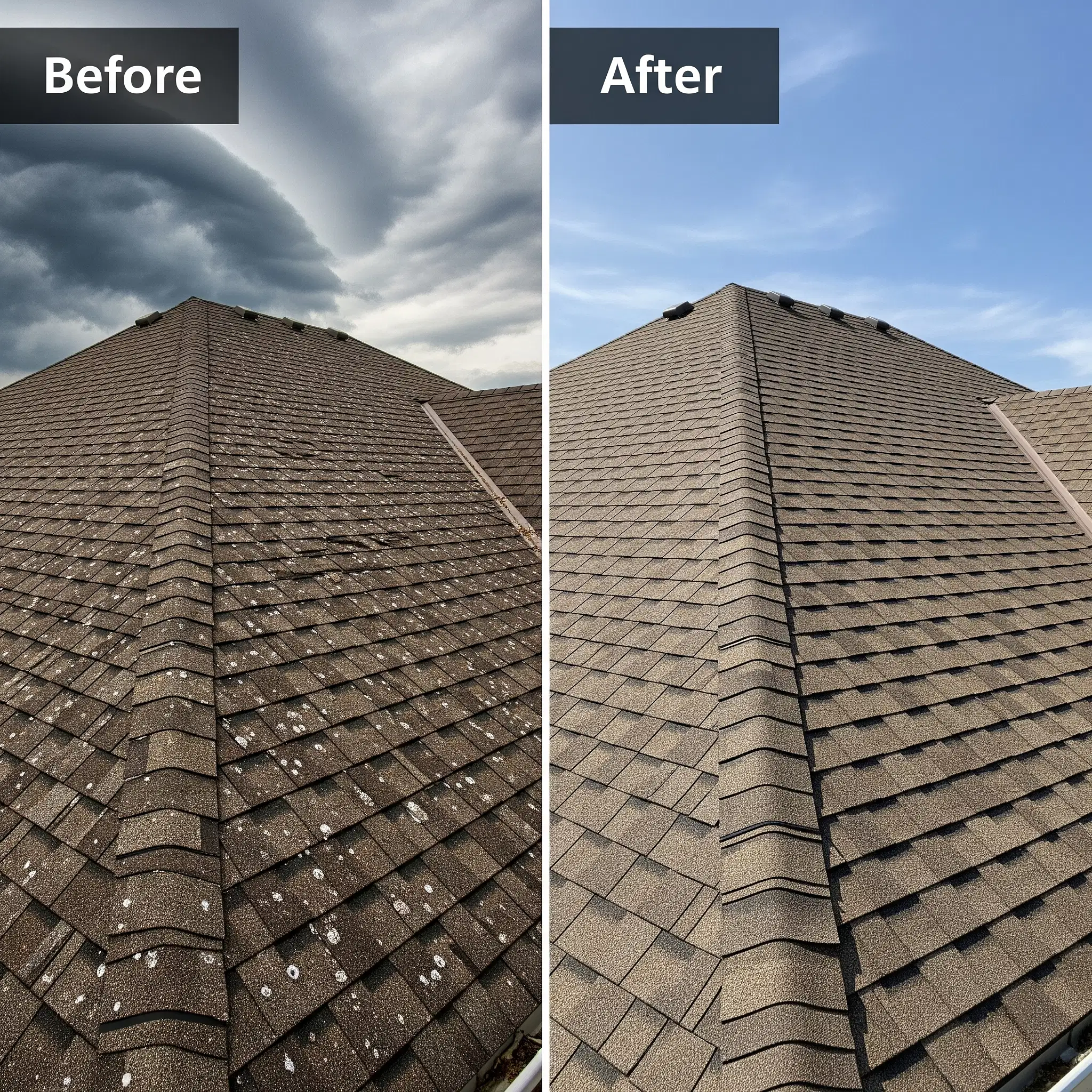
Gloeocapsa magma is an airborne algae, meaning its spores are carried by the wind from house to house. Once it lands on a suitable surface, it begins to multiply. The environment in South Mississippi provides the perfect breeding ground for this organism. It thrives in high humidity, warm temperatures, and areas that receive less direct sunlight, which is why you will almost always see the worst staining on the north-facing or heavily shaded sides of a house.
But why does it choose your roof? Modern asphalt shingles are manufactured with limestone granules to add weight and durability. Unfortunately, limestone is a primary food source for this specific type of algae. As the algae feeds on the limestone, it breaks down the structural integrity of the shingle. Over time, this causes the protective granules to detach and wash away into your gutters.
When your shingles lose their granules, they lose their ability to reflect the sun's UV rays. This not only accelerates the aging process of the roof but also causes your attic to absorb more heat. During our intense summers, a heat-absorbing roof forces your air conditioning system to work overtime, driving up your monthly utility bills.
Removing Dark Roof Stains Safely
When homeowners finally decide to tackle these ugly streaks, their first instinct is often to rent a pressure washer. This is one of the most common and costly mistakes you can make. High-pressure washing will strip the remaining protective granules right off your shingles, effectively ruining your roof and instantly voiding any manufacturer warranties you might have.
Removing dark roof stains safely requires a technique known as soft washing. This process uses a specialized, low-pressure delivery system combined with a custom blend of biodegradable cleaning solutions. The cleaning solution does the hard work of killing the algae down to its roots, while the low-pressure rinse gently washes the dead organic matter away without harming the roofing materials.
Because working at heights is inherently dangerous, and handling chemical mixtures requires precision to avoid damaging your landscaping, this is a job best left to professionals. Reputable roofing contractors have the proper safety equipment, OSHA compliance training, and the expertise to clean your roof without causing accidental damage to your property.
How to Stop Roof Algae Growth
Once your roof is clean, you will want to keep it that way. Preventing black algae on shingles is much easier and more cost-effective than repeatedly paying for professional cleaning services. There are several proactive steps you can take to make your roof an inhospitable environment for algae spores.
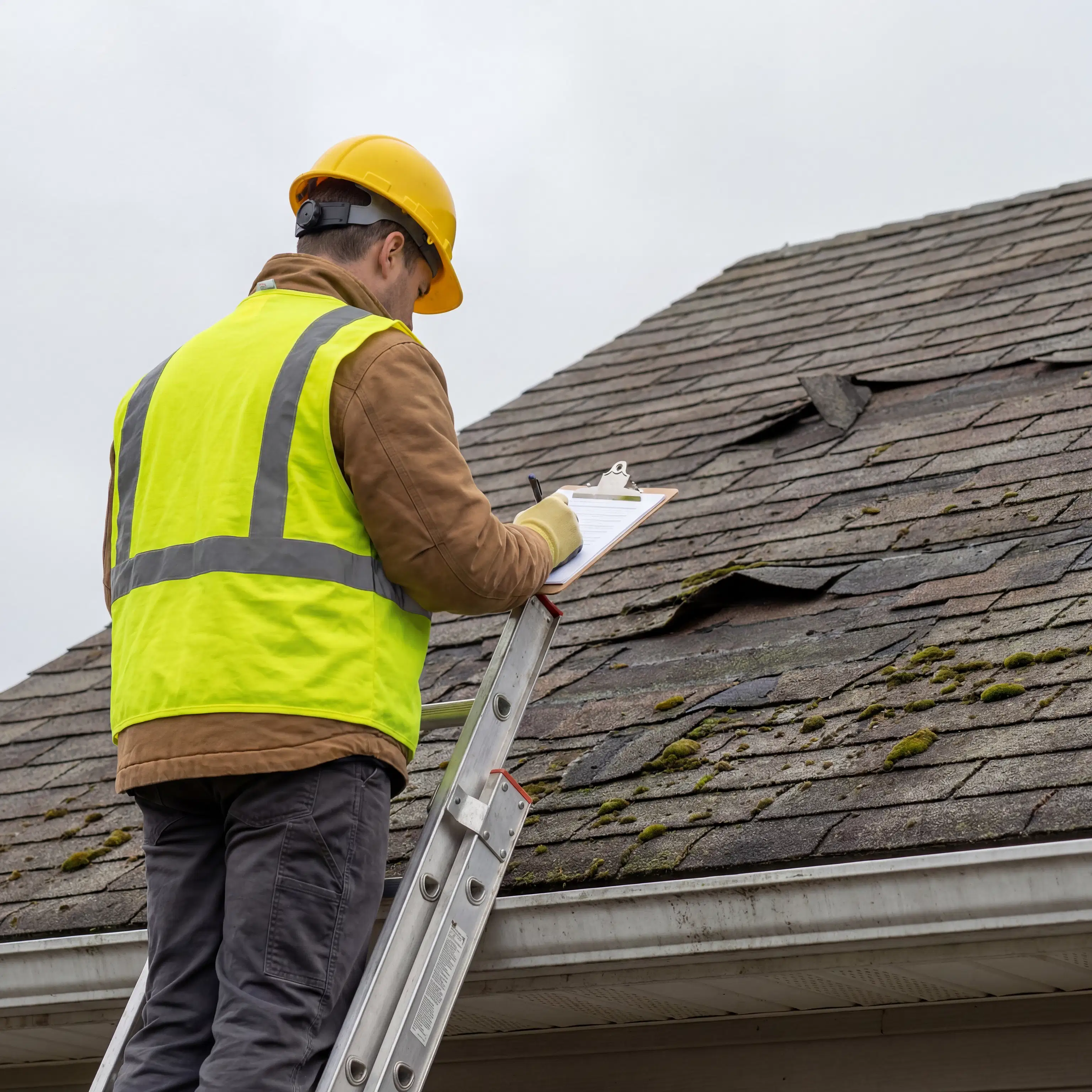
First, evaluate the landscaping around your home. Trimming back overhanging tree branches allows more sunlight to hit your roof and improves airflow, which helps keep the surface dry. Additionally, managing the accumulation of pine needles is crucial. When pine needles pile up in your roof valleys or gutters, they trap moisture against the shingles, creating a damp environment where algae and moss can flourish. Regular gutter cleaning and roof sweeping are essential maintenance tasks.
Another effective method for how to stop roof algae growth is the installation of zinc or copper strips near the ridge of your roof. When it rains, trace amounts of these metals wash down the slope of the roof. Both zinc and copper are naturally toxic to algae, effectively creating a barrier that prevents spores from taking hold.
Upgrading Your Defense: Metal vs. Asphalt Shingles
If your roof is already nearing the end of its lifespan, or if the algae damage is extensive, cleaning might not be a viable option. When considering a roofing replacement, it is the perfect time to think about materials that naturally resist algae growth.
Many homeowners are now opting for architectural shingle installation using algae-resistant shingles. These modern shingles are manufactured with copper-coated granules blended right into the material, providing long-lasting protection against dark streaks.
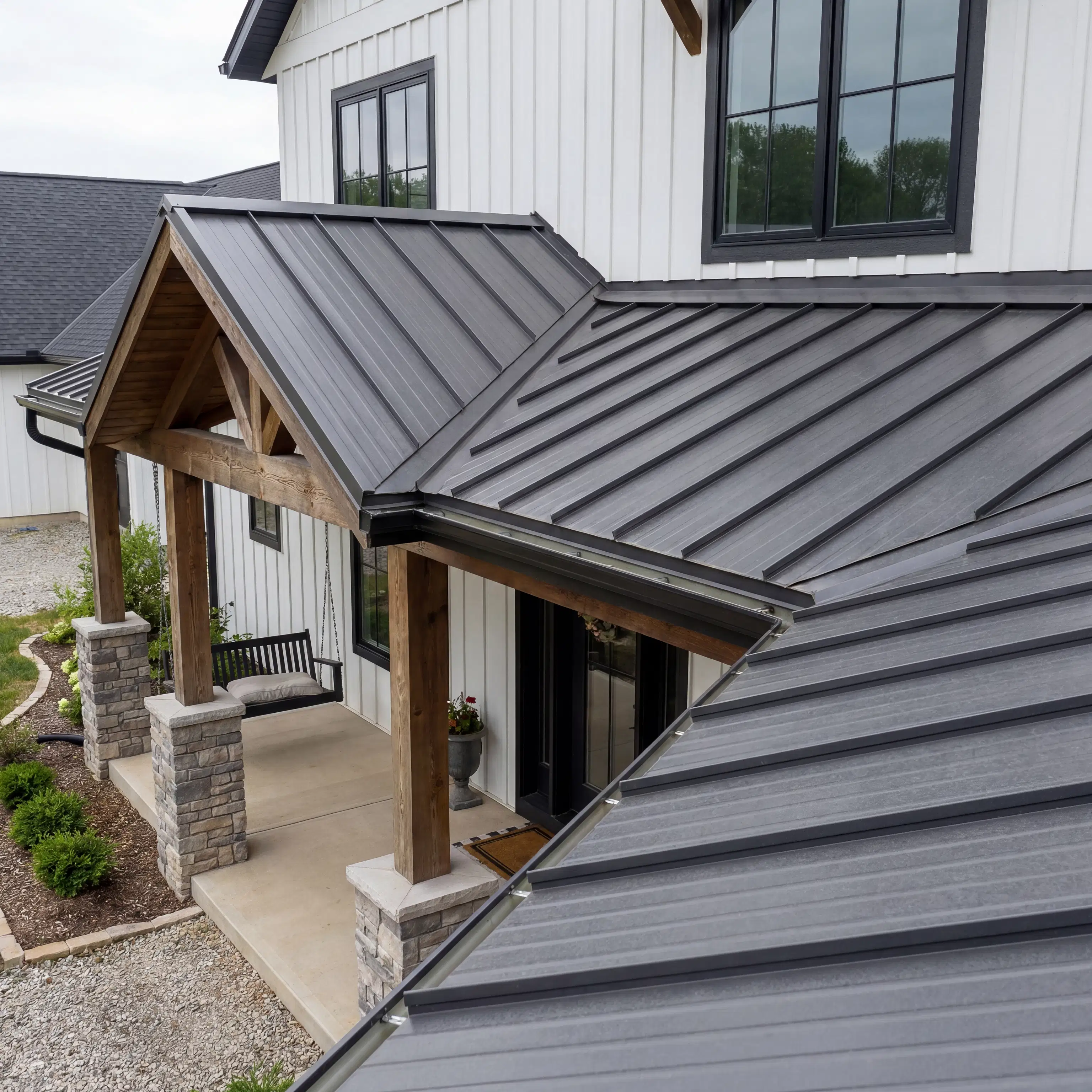
Alternatively, you might consider a complete material upgrade. When comparing a metal roof vs asphalt shingles, metal offers distinct advantages for our specific climate. Metal roofs are completely impervious to algae growth because they offer no food source for the organism. Furthermore, a metal roof replacement provides superior wind resistance during severe weather and reflects solar radiant heat, which can significantly lower your cooling costs during the peak of summer.
Navigating Storm Damage and Insurance
It is also worth noting that maintaining a clean, structurally sound roof plays a vital role in your homeowner's insurance coverage. After severe weather events, out-of-state storm chasers often flood the area, offering quick fixes. However, if your roof was already severely degraded by algae and neglected maintenance, insurance adjusters may deny your claim, citing pre-existing wear and tear rather than storm damage.
By keeping your roof in top condition and working with an established, local company, you ensure that your property is fully protected. A local expert can provide thorough inspections, document the condition of your roof, and offer genuine assistance with insurance claims if a storm does cause damage.
Protect Your Home Today
Your roof is your home's first line of defense against the elements, and keeping it free of damaging algae is a critical part of homeownership in The Hub City. Whether you need advice on maintenance, a thorough inspection to assess algae damage, or a complete system upgrade, our team is here to help you make the best decision for your property.
If you are tired of looking at those dark streaks or are concerned about the underlying health of your shingles, reach out to Home Town Roofing. We offer comprehensive roofing services, from minor repairs to full replacements, tailored specifically to withstand our unique local climate. Contact us today to schedule your consultation and take the first step toward a cleaner, stronger, and more beautiful home.