Don't Wait for the Weather Warning: A Homeowner's Guide to Preparing Your Roof for Mississippi's Storm Season
Here in Mississippi, we know that the weather can turn on a dime. One minute it’s sunny, and the next, a pop-up shower is rolling through. While we’re used to it, that unpredictability is especially true during storm season, when high winds, heavy rain, and hail become serious threats to our homes. Your roof is your home's first and most important line of defense, and a small, unnoticed issue can quickly become a major headache when severe weather hits.
Taking proactive steps to ensure your roof is in top condition isn't just about maintenance; it's about protecting your biggest investment and ensuring your family's safety. This guide will walk you through the essential steps for preparing your roof, helping homeowners across the Hattiesburg area feel secure before the storm clouds gather. As your local roofing experts, we want to empower you with the knowledge to safeguard your home.
Your First Line of Defense: The Proactive Roof Inspection
Many homeowners wonder how often they should have their roof checked. A good rule of thumb is to have a professional inspection at least once a year, and always after a major weather event. However, you can and should perform your own visual checks from the ground throughout the year.
Here are some key signs of potential trouble to look for:
- From the Ground: Grab a pair of binoculars and scan your roof. Do you see any shingles that are cracked, curling at the edges, or missing entirely? Look for dark streaks, which can indicate algae growth, or areas where the protective granules have worn away, leaving bald patches.
- Inside Your Home: Trouble on the roof often shows itself indoors first. Check your ceilings and the top of your walls for any water stains, discoloration, or peeling paint. Don't forget to peek in your attic after a heavy rain; damp insulation or visible water drips are clear red flags.
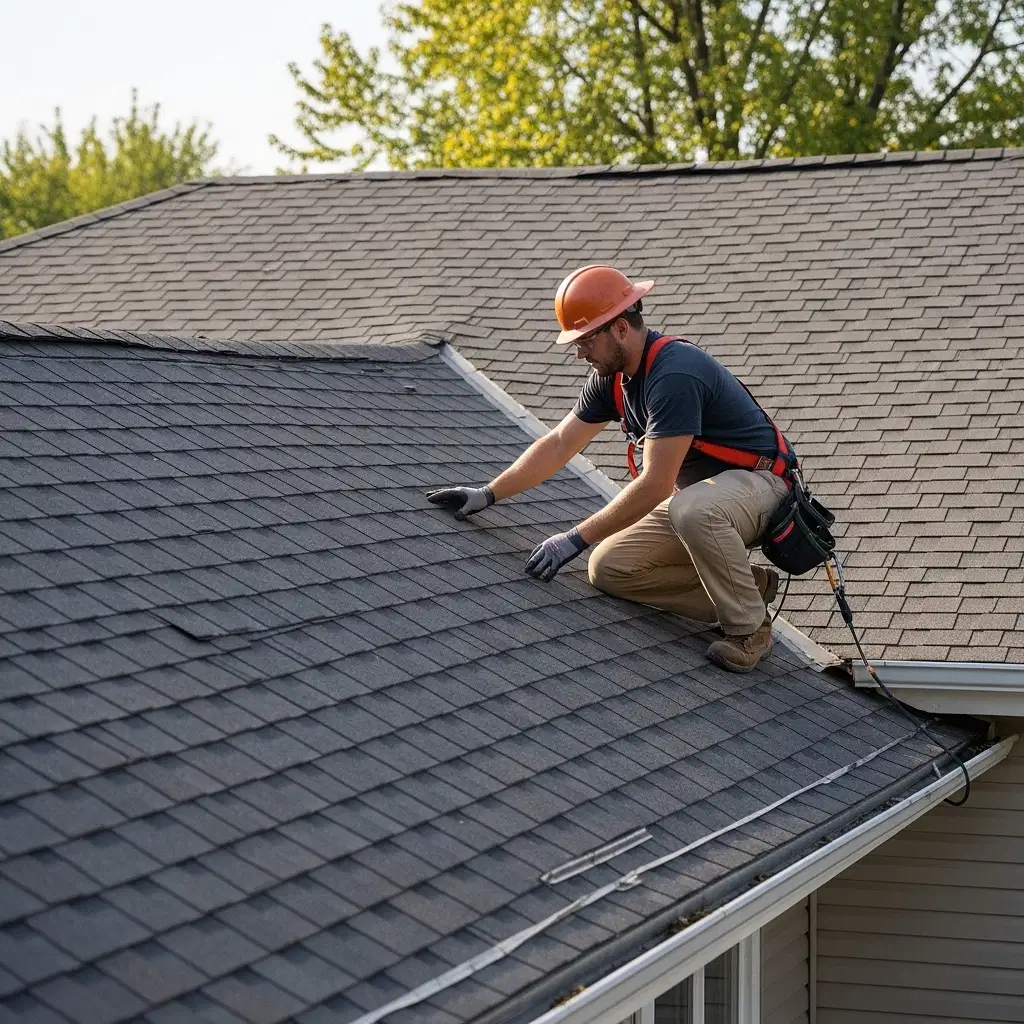
While a personal inspection is a great start, a professional assessment provides a much deeper understanding of your roof's health. Using modern technology like drones, we can safely and thoroughly examine every inch of your roof, identifying subtle hail damage or compromised seals around vents and chimneys that are invisible from the ground. Catching these issues early is the most effective way to prevent a costly emergency roof repair down the line.
Beyond the Shingles: Identifying Common Storm Damage Risks
While shingles are the most visible part of your roof, they aren't the only component vulnerable to storm damage. Several other areas require attention to ensure your entire roofing system is secure.
- Clogged Gutters and Downspouts: It’s easy to forget about them, but gutters play a crucial role. When they are clogged with leaves and debris, rainwater can't drain properly. Instead, it backs up and can seep under the edge of your roof, leading to wood rot and potential leaks. Keeping your gutters clean is one of the simplest and most effective preventative measures you can take.
- Overhanging Tree Limbs: Those beautiful, mature trees that provide much-needed shade can pose a significant risk during high winds. A heavy branch falling on your roof can cause serious structural damage, puncture shingles, and create an immediate entry point for water. It's wise to have any limbs hanging directly over your house trimmed back before storm season begins.
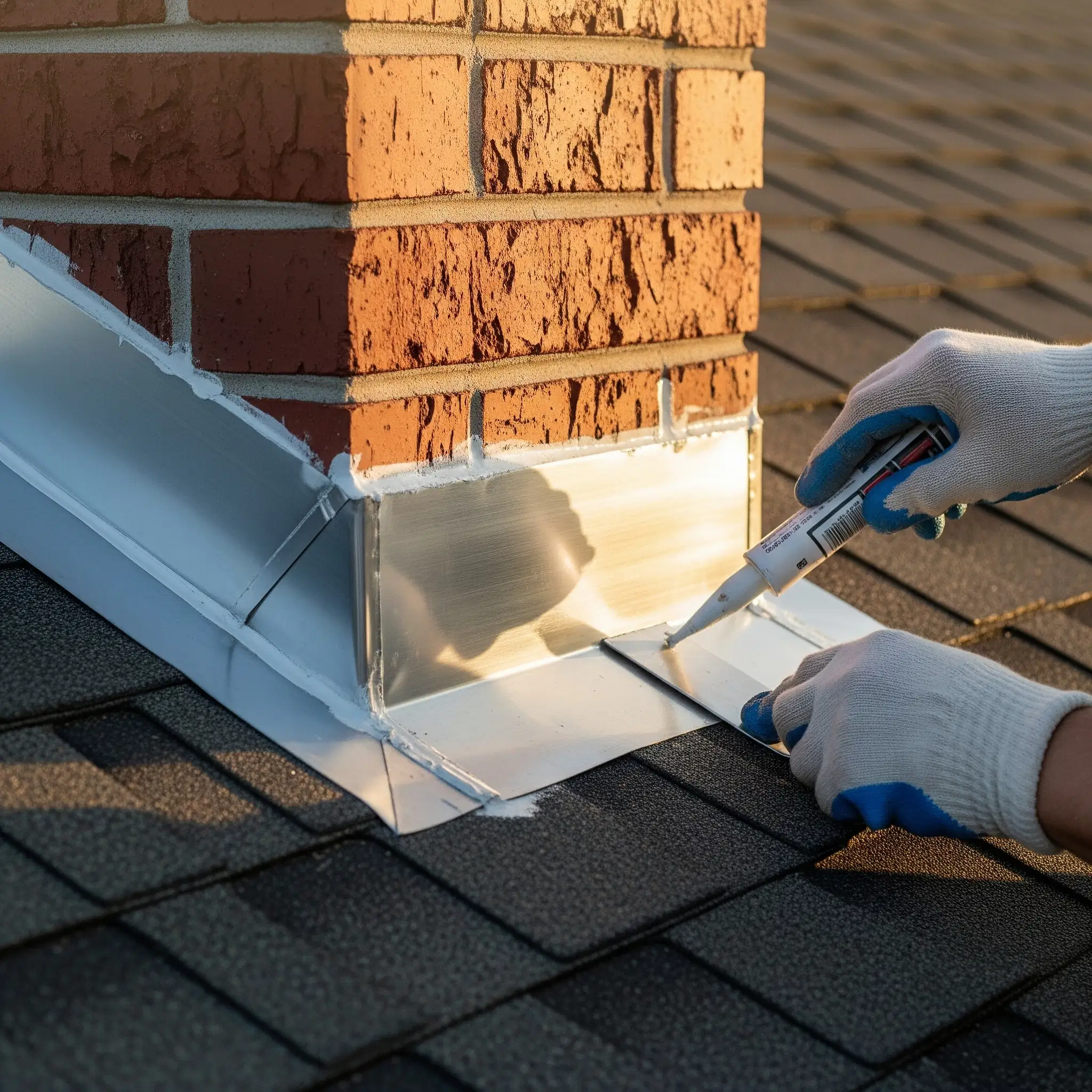
- Loose Flashing and Seals: The metal strips around chimneys, vents, and skylights—known as flashing—are critical for waterproofing these vulnerable joints. Over time, the seals around flashing can dry out, crack, and fail. This is one of the most common sources of roof leaks, so ensuring they are intact and properly sealed is essential for a watertight roof.
What to Do When the Storm Passes
Even with the best preparation, severe weather can sometimes cause unexpected damage. Knowing what to do immediately after a storm is crucial for minimizing further problems and streamlining any necessary repairs or insurance claims.
- Safety First: Never climb on your roof after a storm, especially when it's wet. It can be incredibly slippery, and there may be structural damage that isn't immediately obvious, making it unsafe.
- Document from the Ground: Walk around your property and take clear photos or videos of any visible damage. Look for missing shingles in your yard, dents in gutters from hail, or damage from fallen branches. This documentation will be invaluable if you need to file an insurance claim.
- Check for Leaks Inside: Head back inside and re-check your attic and ceilings for any new signs of water intrusion. A small, slow drip can cause significant damage over time.
- Call for Professional Help: If you suspect any wind damage or hail damage, it's time to call in a professional. We can quickly assess the situation and, if needed, provide emergency tarping to prevent further water from entering your home while you arrange for permanent repairs. Navigating an insurance claim can be stressful, but a trusted local contractor can help guide you through the process, ensuring all damage is properly documented and addressed.
Peace of Mind, Come Rain or Shine
Preparing for Mississippi's storm season is an investment in the longevity of your roof and the safety of your home. By conducting regular inspections, addressing minor issues before they escalate, and knowing the right steps to take after a storm, y'all can rest easier knowing your home is protected. A strong, well-maintained roof provides more than just shelter; it provides peace of mind.
Don't wait until you're fixin' to deal with a leak in the middle of a downpour. If you have any concerns about your roof's condition or want a professional inspection before the next storm rolls through the Hattiesburg area, contact Home Town Roofing today. We offer a full range of roofing services, from detailed inspections and expert repairs to full replacements. Get in touch with us for a free estimate and let our team give you the confidence that your home is ready for whatever the weather brings.