A Homeowner's Guide to Identifying and Handling Hail Damage
Here in Mississippi, we're no strangers to unpredictable weather. One minute the sun is shining, and the next, a pop-up shower can turn into a serious hailstorm. While these storms are a part of life, the damage they leave behind—especially on your roof—can be a major headache. Many Hattiesburg homeowners feel a sense of uncertainty after a storm, wondering if their roof is okay and what they should do next. This guide is here to help. We'll walk you through how to spot hail damage, the immediate steps you should take, and how to make the best decision for protecting your home, your biggest investment.
What Does Hail Damage Actually Look Like?
It can be tough to spot hail damage from the ground, and not all damage is obvious. After a storm, you might see debris in your yard, but the real story is on your roof. For asphalt shingles, the most common roofing material, hail damage isn't just a cosmetic issue; it compromises the shingle's ability to protect your home.
Here’s what to look for:
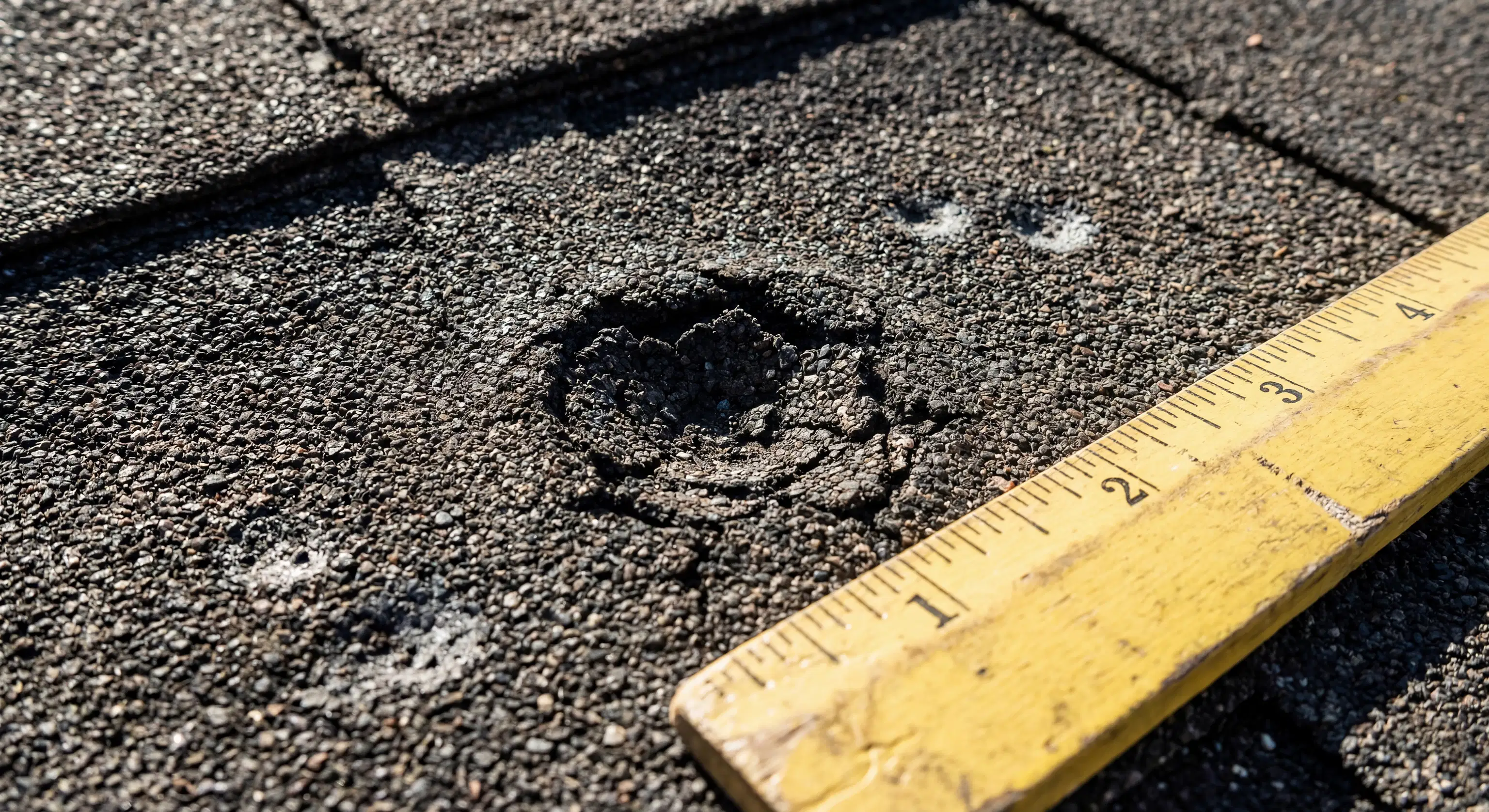
- Bruising or Dents: Hail can create soft, bruised spots on asphalt shingles, much like a bruise on an apple. These impacts may not be visible at first glance but can be felt by a professional. On metal roofs, you'll see more obvious dents.
- Granule Loss: The rough, sandpaper-like granules on your shingles are their first line of defense against UV rays and water. Hailstones knock these granules off, exposing the underlying asphalt mat. You might see these black, sand-like granules collecting in your gutters or on your driveway.
- Cracked or Broken Shingles: Larger hailstones can cause shingles to crack, creating a direct path for water to seep into your home's structure. These cracks can be random and circular, unlike damage from wind, which often lifts entire shingles.
- Damage to Roof Fixtures: Don't forget to check your roof vents, flashing, and gutters. Dents or cracks in these components are a clear sign that the hail was large and forceful enough to damage the rest of your roof.
Your First Steps After the Storm Passes
The moments after a severe storm can be stressful. Knowing what to do can give you peace of mind and prevent small problems from becoming costly disasters. Here’s a simple action plan:
- Stay Safe: First and foremost, never climb on your roof, especially when it's wet or you suspect it's damaged. It's incredibly dangerous. A visual inspection from the ground with binoculars is a safe starting point.
- Document Everything: Walk around your property and take photos of any visible damage to your roof, gutters, siding, and windows. Note the date and time of the storm. This documentation will be crucial if you need to file an insurance claim.
- Look for Leaks Inside: Check your attic and ceilings for any signs of water stains or active drips. A small spot can indicate a much larger problem brewing.
- Prevent Further Damage: If you have an active leak, the immediate priority is to stop more water from getting in. This is where professional emergency tarping becomes essential. A properly installed tarp can protect your home's interior while you arrange for permanent repairs.
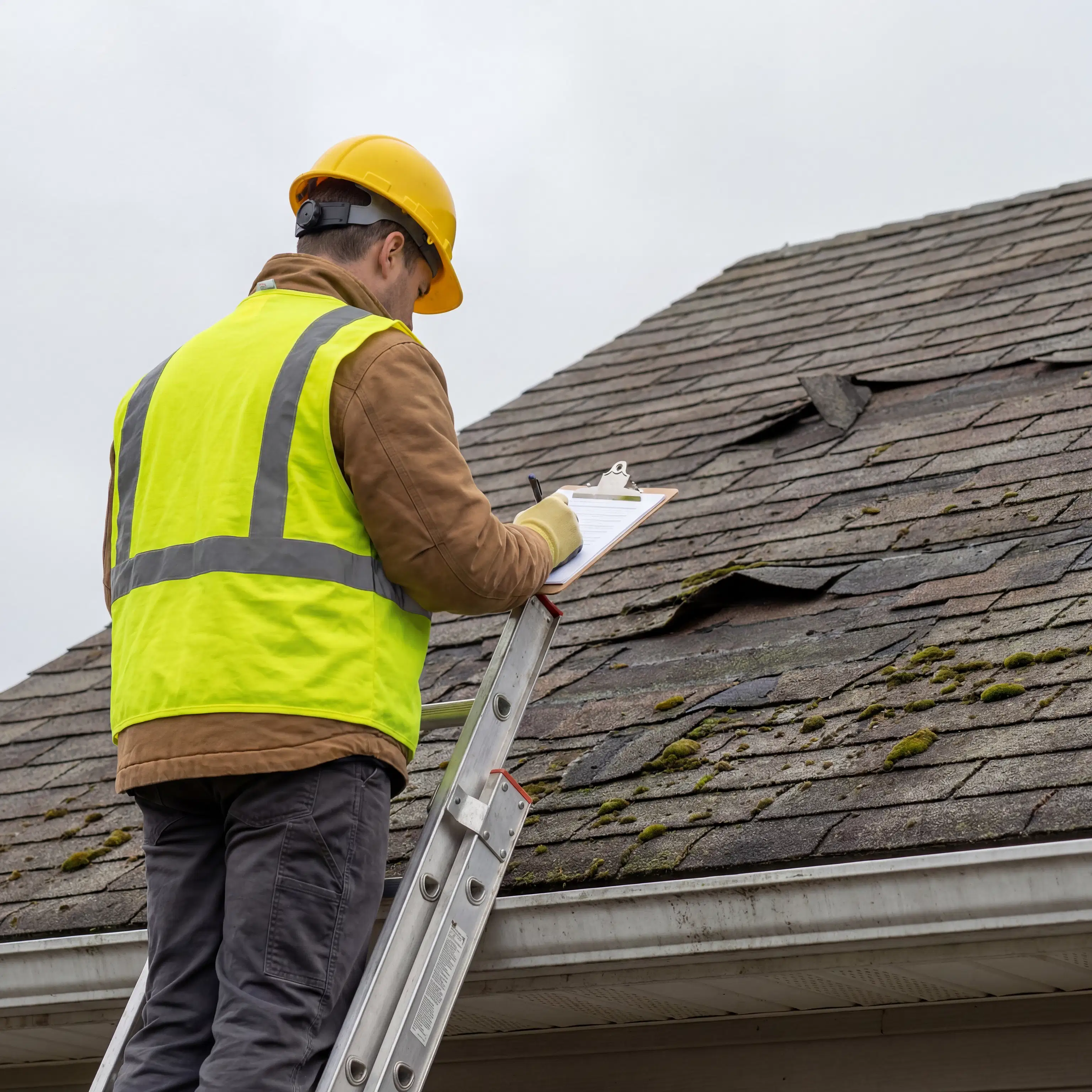
- Call a Trusted Local Roofer: Before you call your insurance company, get a professional assessment. An experienced roofer can identify damage that is invisible to the untrained eye and provide an honest evaluation of whether you need a simple repair or a full replacement. This expert opinion is invaluable for navigating the insurance process.
Repair or Replace? Making the Smart Choice
One of the most common questions we hear is whether a roof needs a few repairs or a complete replacement after a hailstorm. The answer depends on a few key factors:
- Age of Your Roof: If your roof is already nearing the end of its expected lifespan, a hailstorm might be the final straw. Investing in extensive repairs on an old roof is often not cost-effective. A full replacement provides better long-term value and protection.
- Extent of the Damage: If the damage is limited to a small, isolated area, a professional repair might be all you need. However, widespread bruising and granule loss across multiple sections of your roof often mean it's fixin' to fail, making a replacement the safer, more reliable option.
- Future-Proofing Your Home: Modern roofing materials offer superior protection. Today, you can invest in impact-resistant (IR) shingles, which are specifically designed to withstand hail and high winds. While they may have a higher upfront cost, they provide enhanced durability, longevity, and can sometimes even lead to discounts on your homeowner's insurance policy. It's a proactive investment in your home's safety.
Don't Wait—Protect Your Home Today
Hail damage is more than just a cosmetic problem; it's a direct threat to the structural integrity and safety of your home. Ignoring it can lead to leaks, mold, and expensive interior repairs down the road. After a storm, taking quick and informed action is the best way to protect your investment.
If you've recently been through a hailstorm in the Hattiesburg area and are concerned about your roof, don't leave it to chance. The team at Home Town Roofing is here to help. We provide honest, thorough roof inspections and a full range of roofing services, from emergency tarping and repairs to full roof replacements. Contact us today for a free, no-obligation assessment and let our local experts give you the peace of mind you deserve.